
0
Published
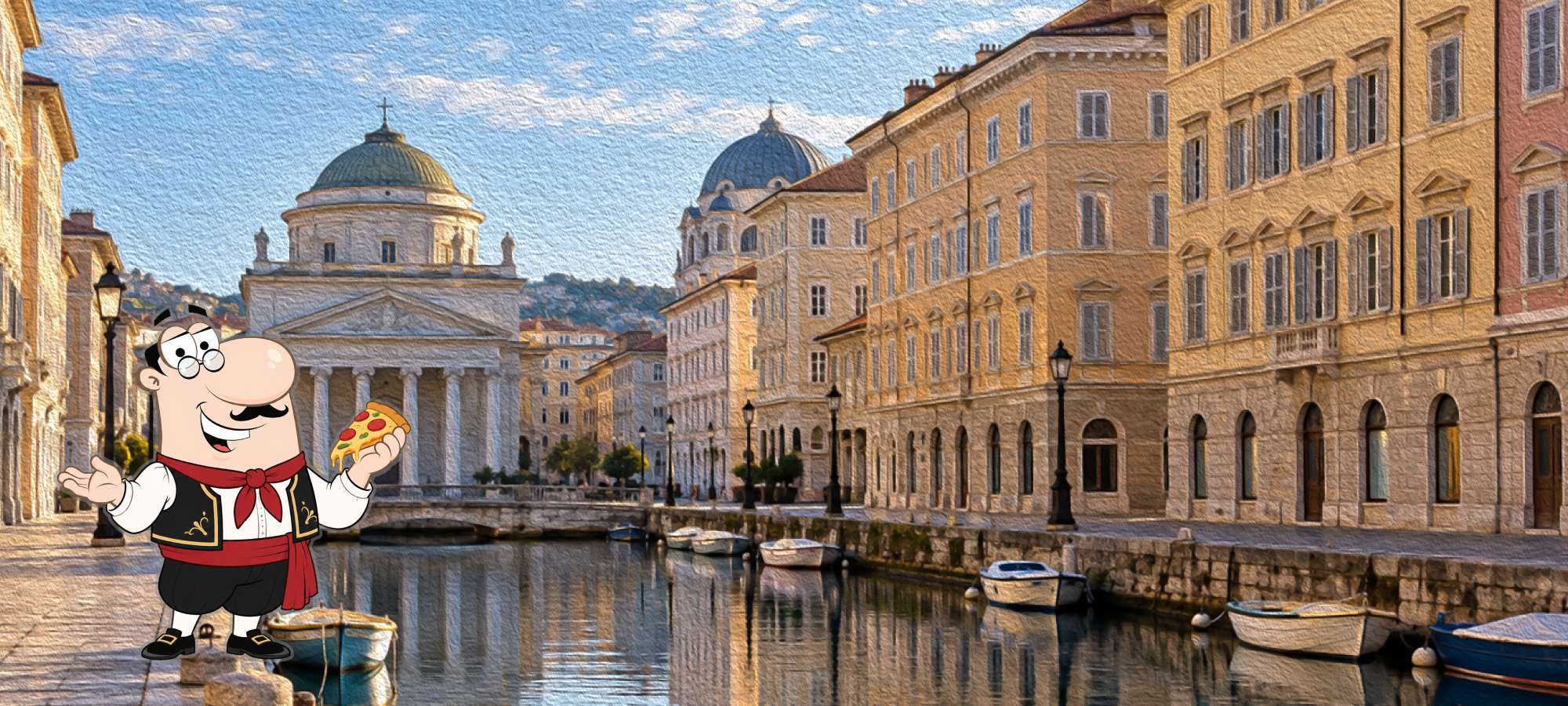
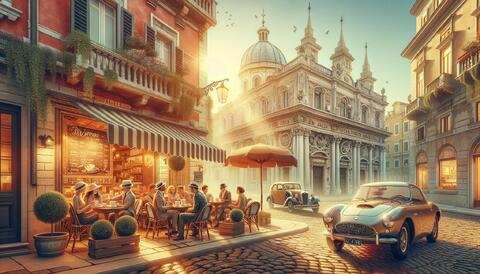
In Trieste, a morning espresso can turn into an hour spent watching life unfold across a grand seaside square. This northeastern Italian city carries its Habsburg past into its architecture, historic cafés, and food, with local cooking that ranges from traditional pork dishes to Adriatic seafood. A weekend gives you time to explore the old town, climb San Giusto Hill, and head along the coast to Miramare Castle. This two-day itinerary balances the main sights with waterfront walks, good food, and long coffee breaks. Day 1 is planned for a Saturday and Day 2 for a Sunday, as several places on the route close on Sundays.
Day 1 (Saturday) — Central Trieste and the old town
Morning — Piazza Unità d’Italia and Borgo Teresiano
 By Plamen Agov • studiolemontree.com, CC BY-SA 3.0
Begin in Piazza Unità d’Italia, where grand buildings line three sides of the square and the fourth opens onto the Adriatic. Stand near the waterfront and look back towards the ornate City Hall, then take a closer look at the Government Palace and the former Lloyd Triestino shipping company headquarters. These buildings introduce the commercial wealth and maritime connections that shaped Trieste. Before you leave the square, look for the Fountain of the Four Continents in front of City Hall.
Follow the waterfront north, passing the entrance to Molo Audace, and continue to the Canal Grande. Turn inland here to enter Borgo Teresiano, the planned district developed in the eighteenth century. The canal was built to bring trading vessels into this merchant neighbourhood; today, you can walk along its banks past palaces, cafés, and small squares. Stop at Ponte Rosso beside the bronze statue of James Joyce, then look along the water towards the columned façade of Sant’Antonio Taumaturgo. Nearby, the blue domes of the Serbian Orthodox Church of San Spiridione provide a striking contrast.
Continue around Piazza Sant’Antonio and take a short wander through the surrounding streets before a coffee break at Caffè Stella Polare, one of the city’s historic cafés. The whole morning takes two to three hours, including photographs and a sit-down coffee; the route itself is compact.
Vecio Buffet Marascutti


Vecio Buffet Marascutti
#11 of 649 Italian restaurants in Trieste, Italy
Via Cesare Battisti, 2/B, Trieste, Friuli-Venezia Giulia, Italy
Closed until 10AM

Gnocchi
Gnocchi are small Italian dumplings made of wheat flour, eggs and cooked potatoes. The ingredients are mixed, rolled into logs, cut into small pieces and then boiled. Optionally, pumpkin and spinach can be added to the mixture. The dish appeared in the 16th century when potatoes were imported from America.
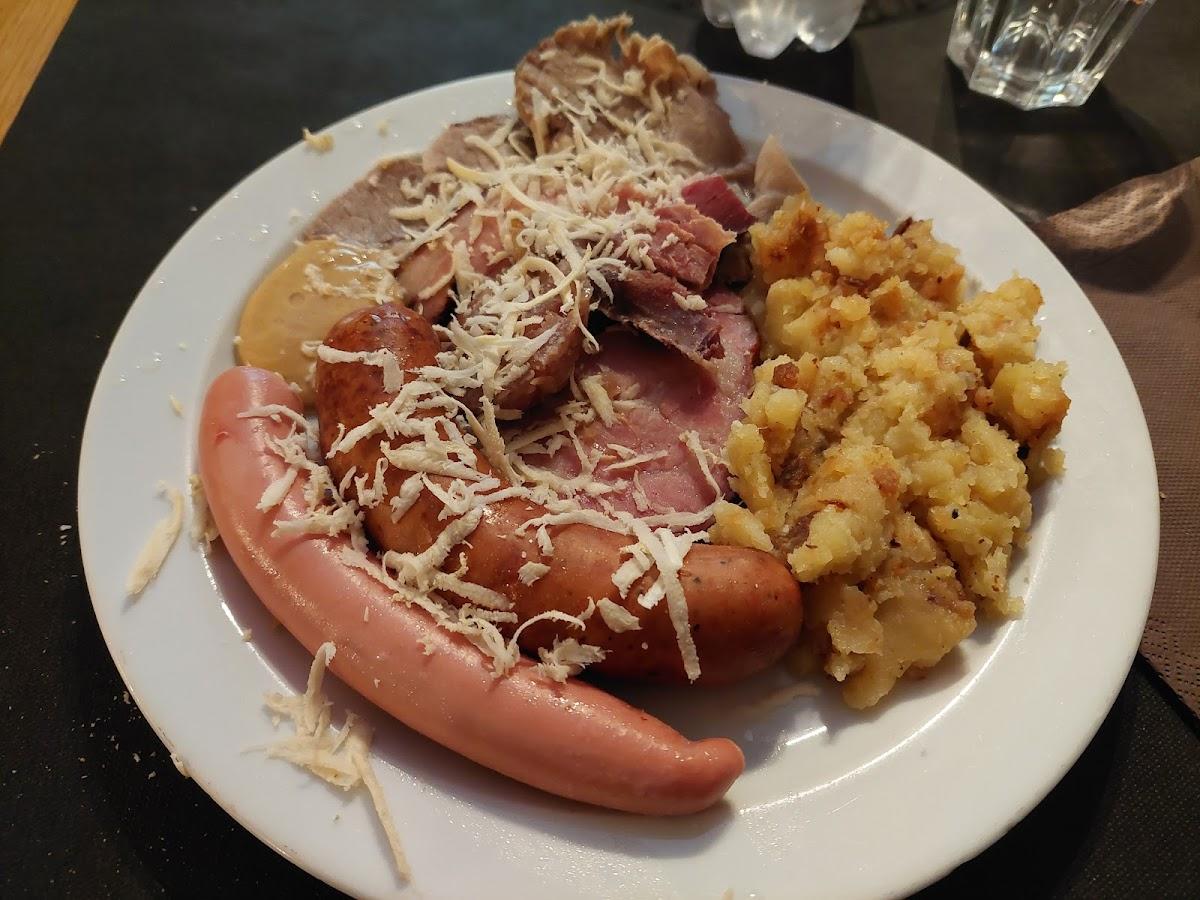
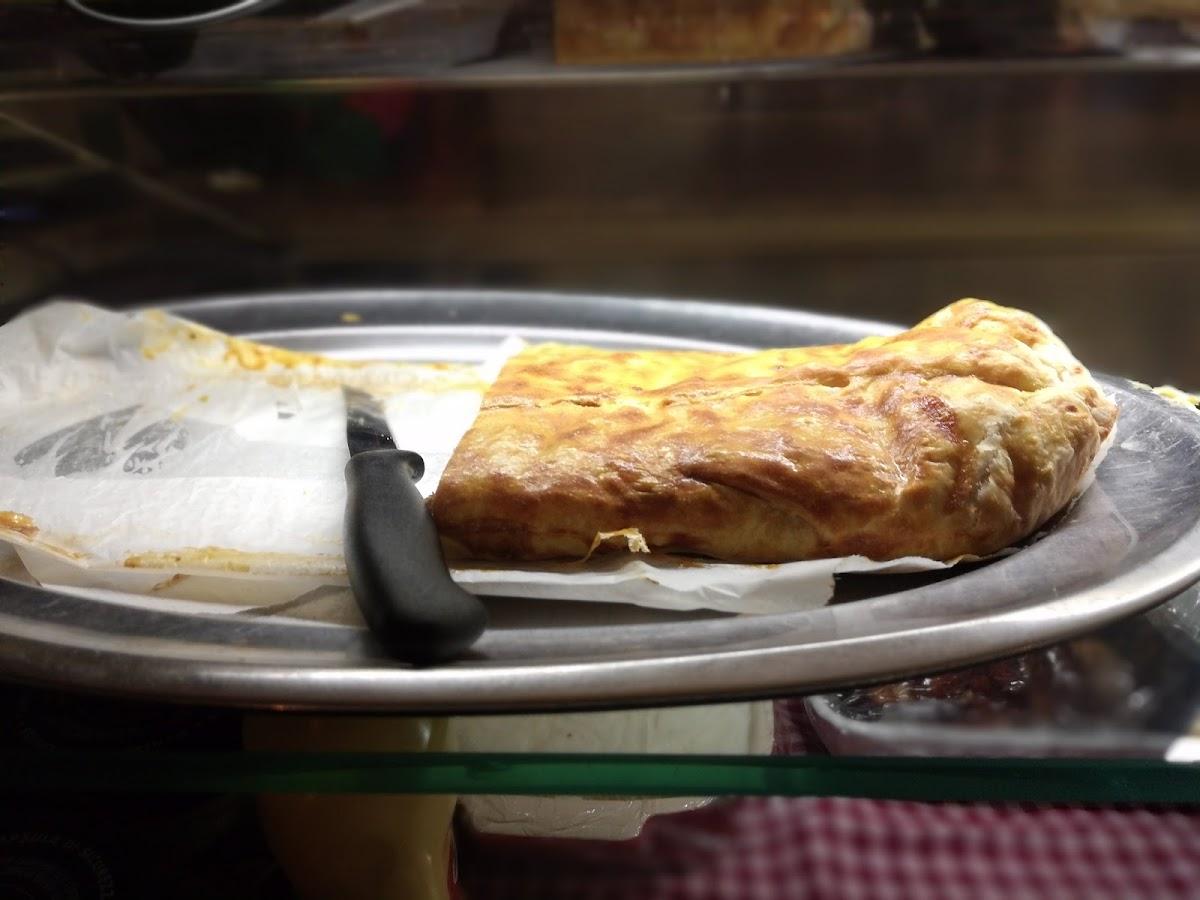
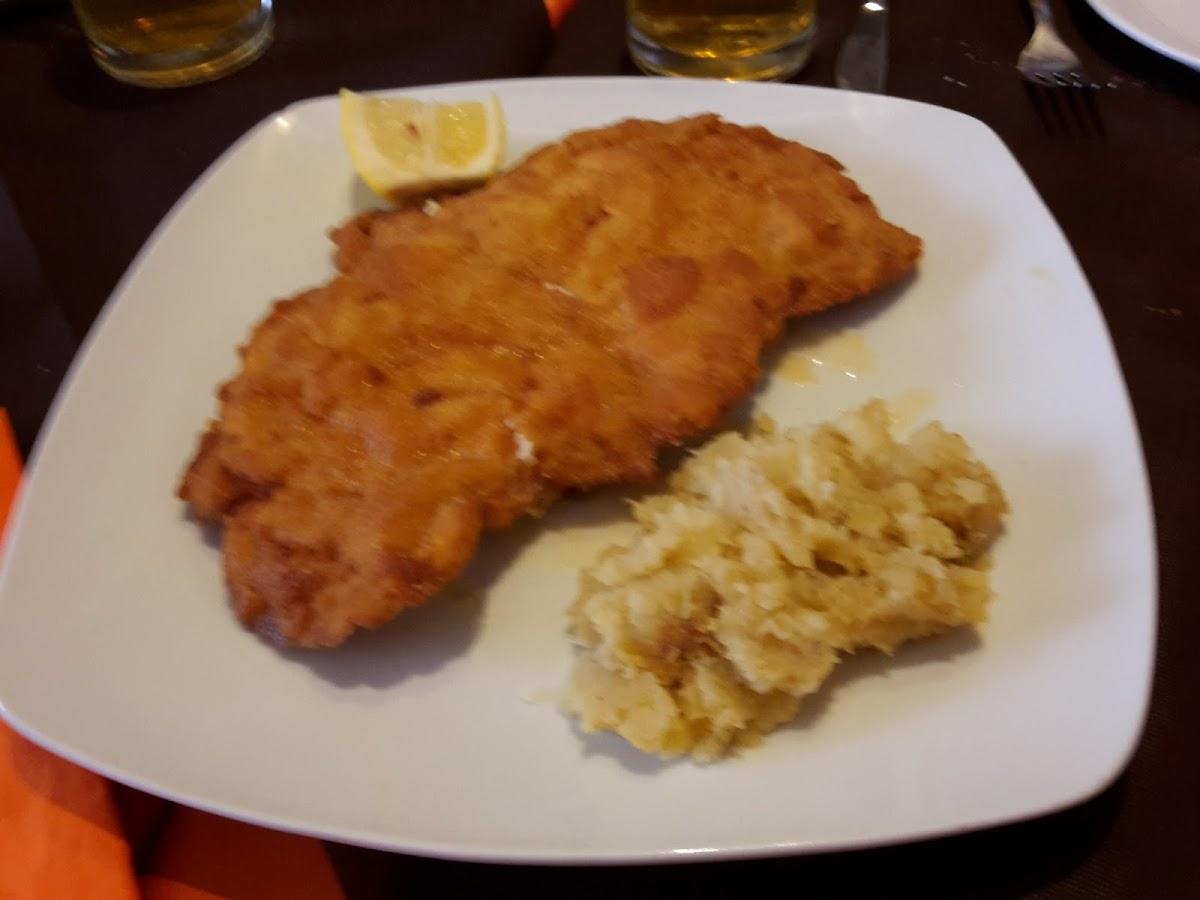
Vecio Buffet Marascutti is at Via Cesare Battisti 2/B, a short walk east of Piazza Sant’Antonio. Established in 1914, it is one of Trieste’s traditional buffets — informal taverns known for pork boiled in a large pot, the caldaia — and offers a good introduction to local cooking, with Austrian and Slovenian influences running through the menu.
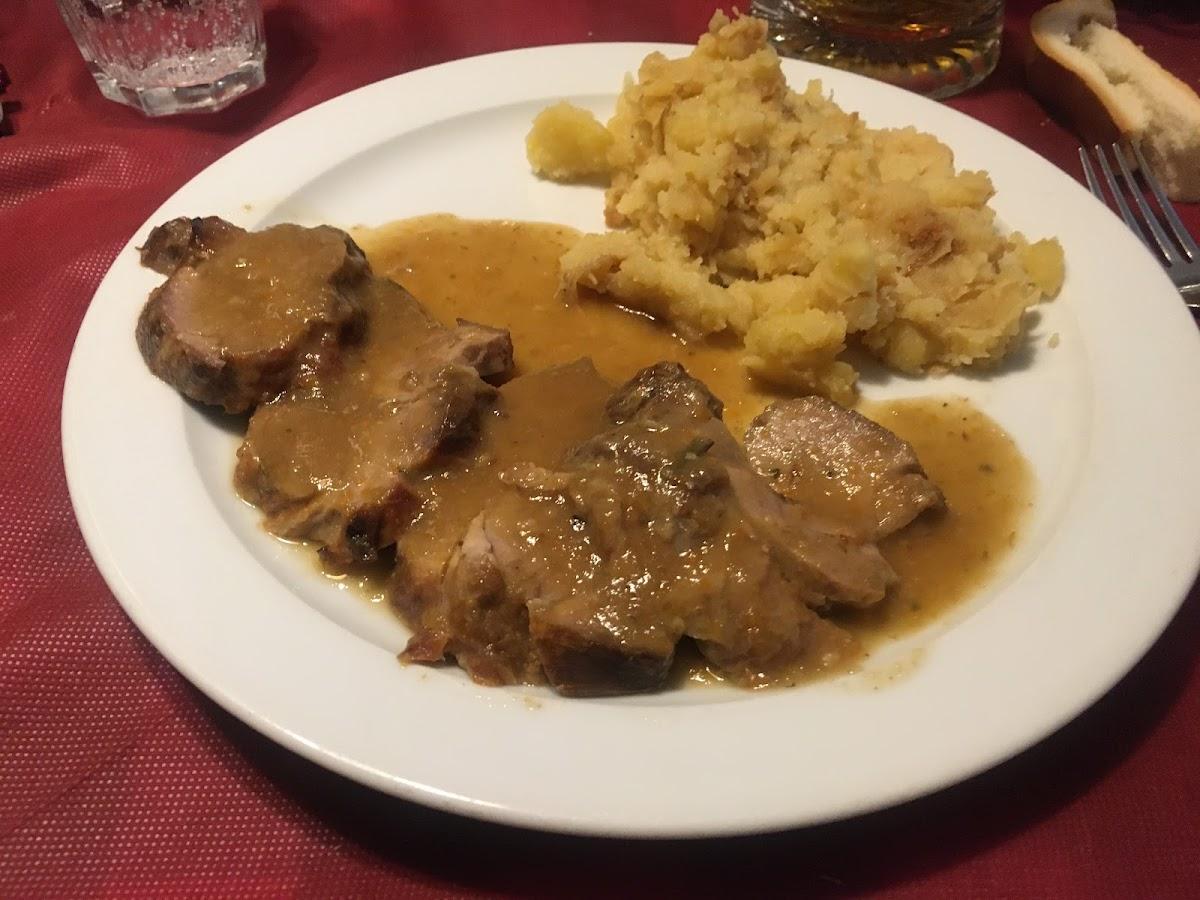
Try potato gnocchi with goulash or roast pork with patate in tecia, the local pan-cooked potato side dish. Other options include Triestine cooked ham, bread dumplings with ham, and jota, a hearty soup of beans, sauerkraut, and potatoes. Seafood also has a place here: the menu lists homemade seafood tagliolini, breaded anchovies, and grilled or fried calamari. Order a local wine with lunch, such as a Terrano from the Karst, and finish with strudel.
From mid-June to mid-September, Caffè San Marco closes on Sunday afternoons. In that period, skip the morning stop at Stella Polare and have coffee at San Marco after lunch instead; it is a few minutes’ walk along the same street.
Afternoon — San Giusto Hill and the old town
 By FrancescoRSchillaci - Own work, CC BY-SA 4.0
After lunch, head uphill towards San Giusto, where the remains of Roman Trieste stand beside its cathedral and castle. Take the climb slowly: the streets become steeper as you approach the summit. In Piazza della Cattedrale, pause beside the surviving columns and foundations of the Roman civic basilica, once part of the ancient city’s public centre.
Begin with San Giusto Cathedral, looking up at the large rose window before stepping inside. Its unusual, asymmetrical interior comes from joining two earlier churches in the fourteenth century. The main details to seek out are the medieval mosaics in the side apses, including Christ against a gold background in the right-hand apse. A quiet visit takes 20–30 minutes; avoid sightseeing during services.
Next door, San Giusto Castle is worth entering for its rampart walks and views across the rooftops towards the Gulf of Trieste. Construction began under Emperor Frederick III in 1468, and the fortress was expanded over subsequent centuries. Give yourself about an hour for the courtyard and bastions, plus extra time for the armoury or the Lapidario Tergestino’s Roman sculptures, inscriptions, and mosaics. The rampart walks are included in the castle ticket. Check opening hours before you head uphill: in summer the castle is open daily until 19:00, while from mid-October to the end of March it shuts at 17:00 (last entry 16:30) and stays closed on Mondays.
Finish by descending towards Piazza Barbacan to see the Arco di Riccardo, a surviving Roman arch tucked among later buildings. Continue into the lanes around Cavana, leaving time to browse and enjoy the change from the open hilltop to the old town’s smaller streets and squares. This brings you back towards Piazza Unità d’Italia for an afternoon coffee.
Caffè degli Specchi


Caffè degli Specchi
#2 of 719 cafes in Trieste, Italy
Piazza Unità d'Italia, 7, Trieste, Friuli-Venezia Giulia, Italy
Closed until 8AM
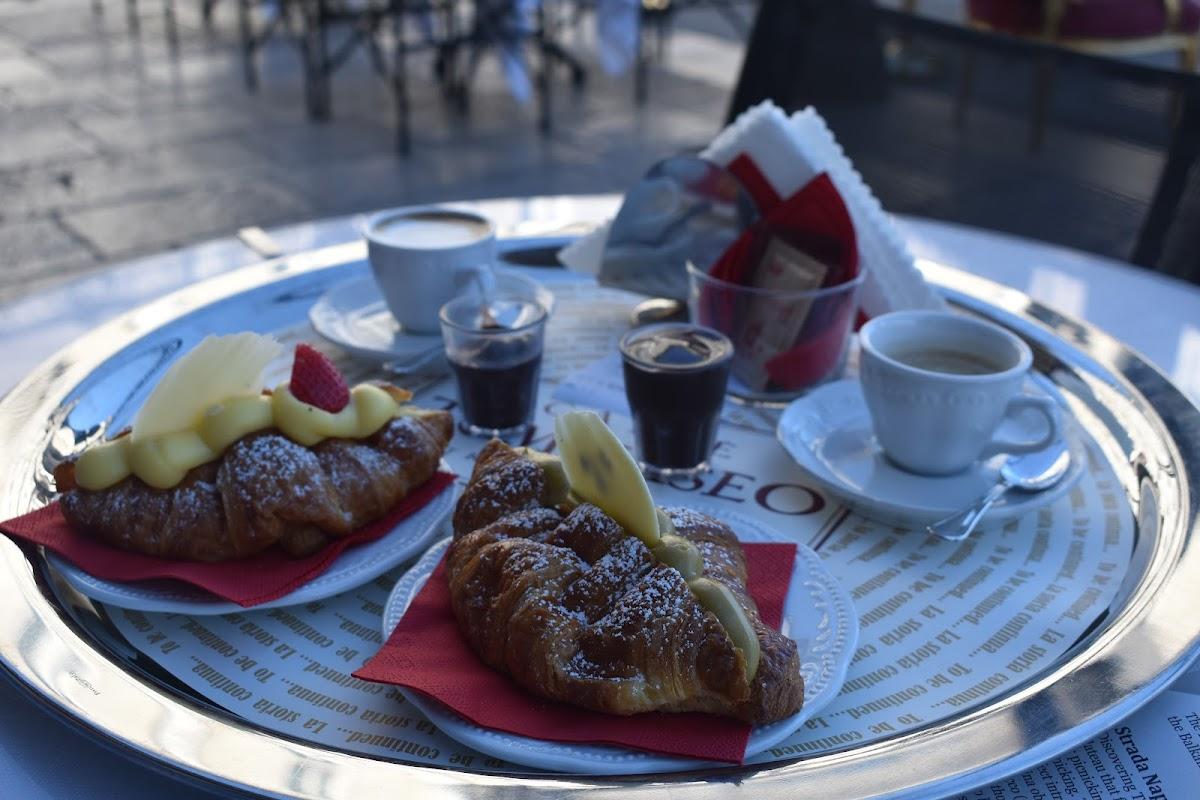
Caffè degli Specchi occupies a prime spot at Piazza Unità d’Italia 7. Opened in 1839, it is the only survivor of the four cafés that once lined the square, with an elegant interior and outdoor seating. Sit outside to admire the surrounding palaces and watch people cross the piazza, or choose an indoor table for a quieter pause.
Coffee and something sweet are the natural choices here. Try a capo in b, an espresso macchiato served in a small glass, alongside a pastry or slice of cake. The café features pastries and chocolates from Peratoner, and Sacher torte is a classic choice in a city with such strong Austrian connections. If you would rather start the evening early, the drinks selection also includes wine and cocktails such as an Aperol Spritz. Half an hour is enough here before you cross to Molo Audace.
Evening — Molo Audace and the waterfront
 By Tiesse at Italian Wikipedia - Transferred from it.wikipedia to Commons., Public Domain, https://commons.wikimedia.org/w/index.php?curid=3573911
From Piazza Unità d’Italia, cross to the waterfront and walk out along Molo Audace. The stone pier extends 246 metres into the gulf. From its far end, turn back for the classic view of the square, with the waterfront façades and the hills rising behind them. A bronze compass rose at the tip commemorates the destroyer Audace, the first ship of the Royal Italian Navy to dock here, on 3 November 1918; the pier, then called Molo San Carlo, was renamed in its honour in 1922.
The walk out and back takes 20–30 minutes. Check the sunset time when planning it, as the evening light varies considerably with the season. The open pier is fully exposed to the bora, Trieste’s strong northeasterly wind, so keep this part short on gusty days.
Back on shore, turn right and follow the waterfront south, keeping the sea on your right. Continue along the Rive towards Riva Tommaso Gulli, enjoying the harbour views along the way. Your destination is the Antico Magazzino Vini, the former wine warehouse at number 1, built in 1902 and now home to Eataly Trieste. This leisurely stretch takes 15–20 minutes; afterwards, browse the food market before heading a few streets inland to dinner.
Ai Fiori


Ai Fiori
#64 of 1017 restaurants in Trieste, Italy
Piazza Attilio Hortis, 7, Trieste, Friuli-Venezia Giulia, Italy
Closed until 7:30PM
Ai Fiori overlooks the garden of Piazza Attilio Hortis, at number 7, a short walk inland from the Rive. This long-established seafood restaurant sets tables outside on mild evenings.
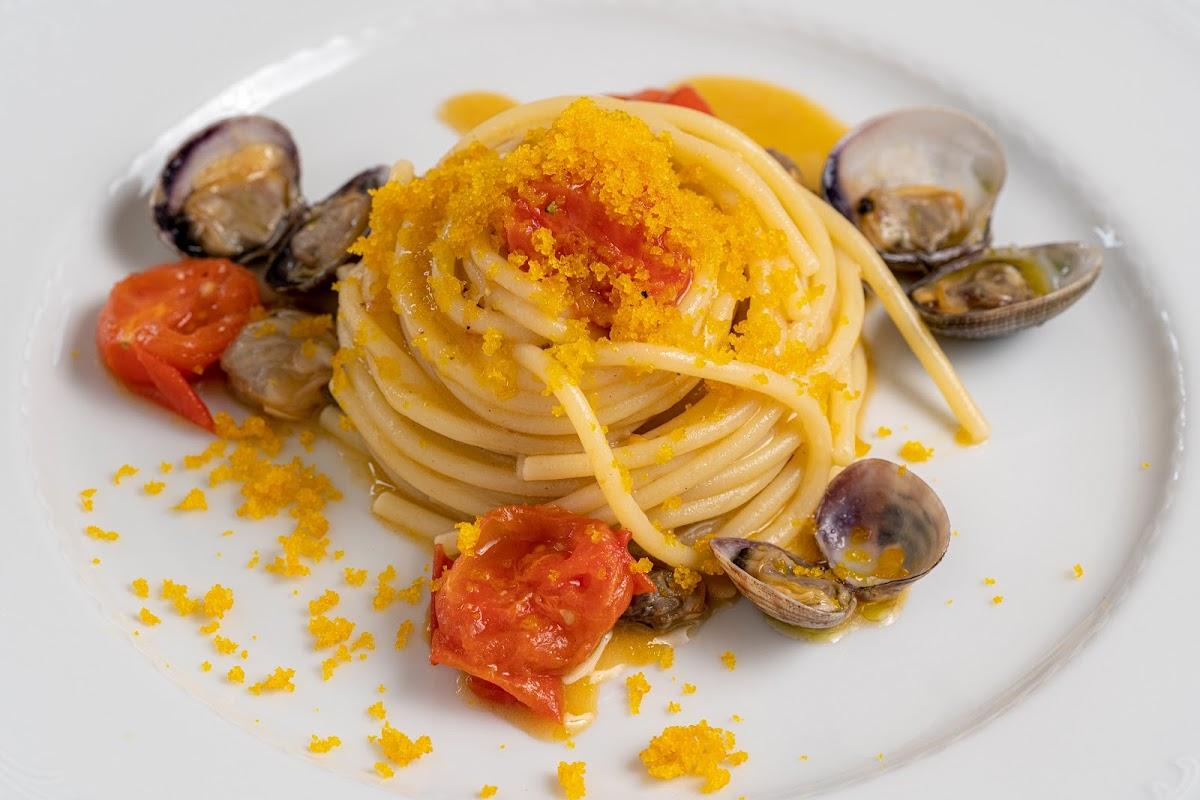
The menu changes with the seasons, pairing Adriatic fish with less expected accompaniments; dishes have included linguine with shelled clams, fermented lemon, and parsley sauce, and beetroot gnocchi with red mullet and almonds. Whole fish from the day’s catch can be grilled, baked, or cooked in a salt crust.
There is also a tasting menu with an optional wine pairing, ordered by the whole table. Dinner starts at 19:30, which leaves time for the walk beforehand; book ahead. The restaurant is closed on Sundays.
Chimera di Bacco


Chimera di Bacco
#48 of 1017 restaurants in Trieste, Italy
Via del Pane, 2, Trieste, Friuli-Venezia Giulia, Italy
Closed until 12PM
For an alternative Saturday dinner, book Chimera di Bacco, on a narrow lane in the old Ghetto at Via del Pane 2, near Piazza Unità d’Italia. The kitchen gives Adriatic seafood a contemporary twist, with dishes such as chamomile-marinated amberjack carpaccio alongside a traditional Dalmatian-style fish soup. Either of its two seafood tasting menus must be chosen by everyone at the table, and the cellar holds more than 700 labels. Dinner from 19:00; closed on Sundays.
Day 2 (Sunday) — Miramare and the Adriatic coast
Morning — Miramare Castle and Park
 By Gmarell - Own work, CC BY-SA 4.0
Begin your second day at Miramare, about eight kilometres northwest of central Trieste. The white Istrian-stone castle stands directly above the sea on the Grignano promontory. Archduke Maximilian of Habsburg commissioned it as a residence for himself and his wife, Charlotte of Belgium; the couple moved in at the end of 1860. Aim to arrive around 9:30.
Bus 6 runs from the city centre along Via Cesare Battisti and the Barcola seafront to Grignano, the stop for Miramare Park and Castle; check the Sunday timetable and allow time for the walk from the stop to the castle. Parking at the castle is limited, so the bus is the easier option.
Visit the castle first, allowing about an hour to follow the museum route through the furnished private apartments and grander reception rooms. Among the private rooms, look for Maximilian’s bedroom, fitted out like a ship’s cabin, a nod to his naval career. Stop at the windows, too: the sea is close enough to feel like part of the building’s design. An English-language audio guide (about 60 minutes) can be rented at the ticket office.
Spend the rest of the morning outside. The 22-hectare park combines formal Italian-style planting with winding woodland paths, ponds, and trees brought from different parts of the world. Start around the castle and its little harbour for views of the white façade against the water, then continue into the shaded grounds. Look out for the Castelletto, the smaller residence used by Maximilian and Charlotte while the main castle was being built; its exterior fits easily into the walk, and its interior, like the castle’s historic kitchens, can be visited daily by advance booking.
Castle admission is ticketed, while entry to the park is free. The castle opens daily from 9:00 to 19:00, with the ticket office closing at 18:30; the park opens at 8:00, but its closing time changes with the season. Booking castle admission ahead helps keep the morning on schedule before lunch in nearby Grignano.
Tavernetta al Molo


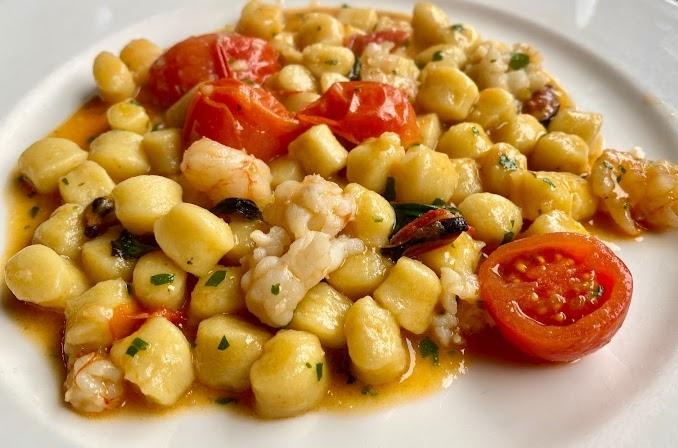
Tavernetta al Molo
#14 of 288 seafood restaurants in Trieste, Italy
Riva Massimiliano e Carlotta, 11, Grignano, Friuli-Venezia Giulia, Italy
Closed until 12PM

Risotto
This dish comes from Northern Italy whose climate is ideal for growing rice (riso means 'rice'). The key ingredient is semi-rounded short-grain rice cooked with meat, fish or vegetable broth. Try risotto with parmesan cheese and white wine. Add saffron for flavour and yellow colour.
Tavernetta al Molo overlooks Grignano’s small harbour at Riva Massimiliano e Carlotta 11, a short walk from the park. Its outdoor tables face the moored boats. Book ahead, as the restaurant cannot always fit in walk-ins.
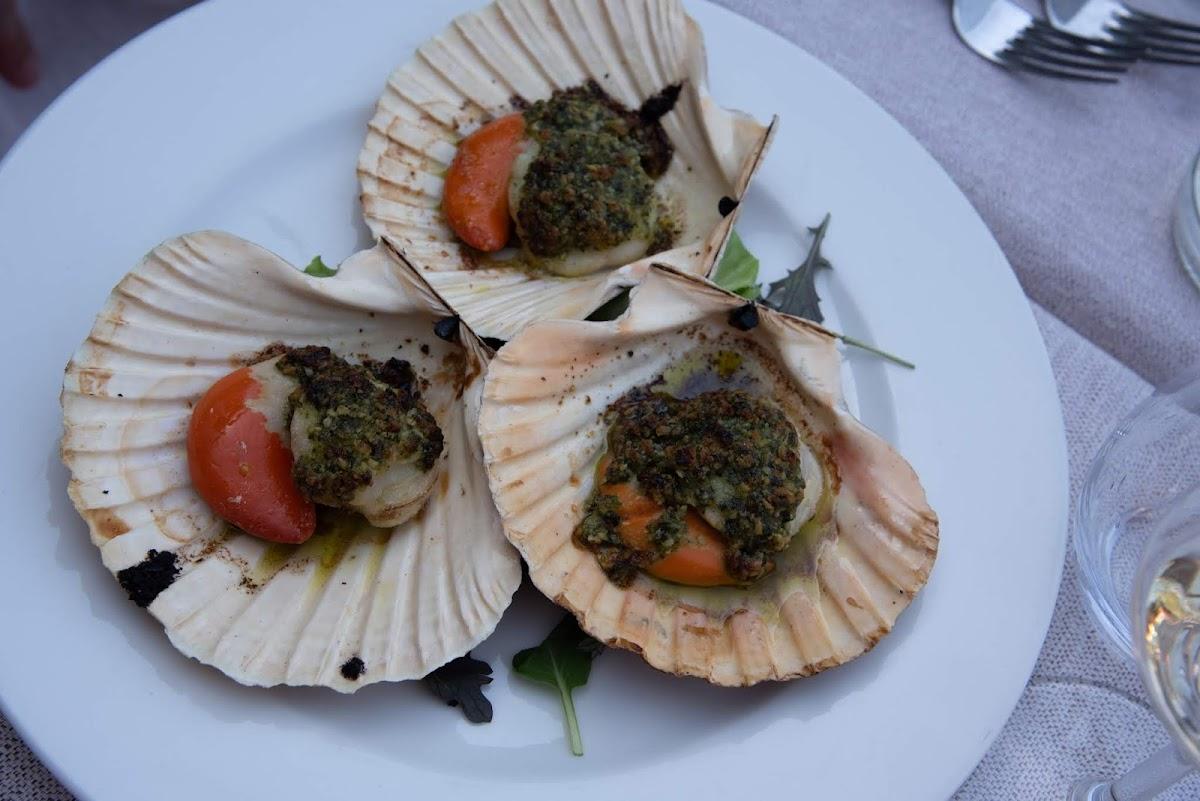
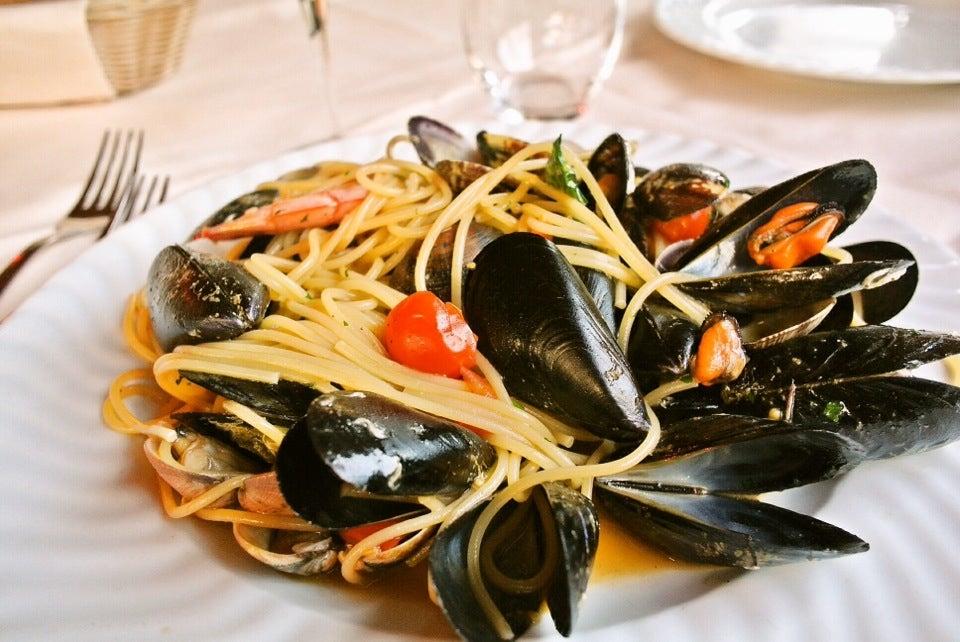
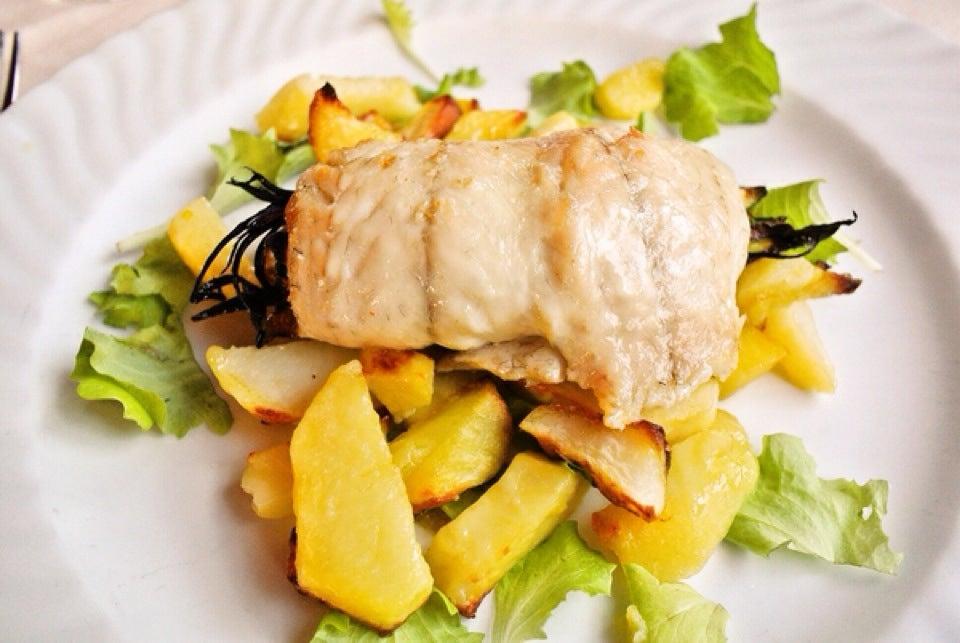
Fish and shellfish are the focus: seafood risotto and pasta are reliable choices, and it is worth asking about the day’s fish before ordering. The wine selection includes local whites, giving you an opportunity to pair lunch with a wine from the surrounding region.
Afternoon — Barcola promenade
 By Tiesse at Italian Wikipedia - Transferred from it.wikipedia to Commons by Muhandes., Public Domain, https://commons.wikimedia.org/w/index.php?curid=11135190
After lunch, take bus 6 back towards the city and get off on the Barcola seafront, the seaside neighbourhood between Miramare and central Trieste. Spend this part of the afternoon walking beside the gulf, where locals come to read, sunbathe, swim, and catch up with friends. The shoreline here consists largely of paved promenades and bathing platforms, with places to pause close to the water.
For a manageable route, begin around the Topolini, the ten semicircular bathing terraces built in the 1930s. Their nickname comes from Topolino, the Italian name for Mickey Mouse, whose ears their rounded shape recalls. Follow the waterfront towards the centre, keeping the sea on your right, until you reach the Pineta di Barcola. This seaside pine grove provides shade and a pleasant place to sit after the morning’s sightseeing. Along the way, stop for views across the gulf and look back along the coast towards Miramare.
Leave most of the afternoon flexible: a gentle walk followed by a long pause beneath the trees is enough. In warm weather, you can add a swim at the public bathing areas; on cooler days, focus on the sea views and promenade. Finish at the pine grove and take bus 6 back to the centre; it runs along Via Cesare Battisti, a few steps from Caffè San Marco.
Caffè San Marco


Caffè San Marco
#1 of 719 cafes in Trieste, Italy
Via Cesare Battisti, 18, Trieste, Friuli-Venezia Giulia, Italy
Closed until 8:30AM
Caffè San Marco, at Via Cesare Battisti 18/A, combines a historic coffeehouse with a working bookshop. Founded in 1914, it has long been associated with Trieste’s literary life, counting Italo Svevo, Umberto Saba, and James Joyce among its visitors. Take a moment to browse the books before choosing a table; the ornate interior, with painted decorations and bronze-coloured coffee-leaf motifs, is worth a slow look while you wait for your order.
After the Barcola walk, keep the stop simple with an espresso or tea and something from the day’s pastries and cakes. The café also serves wine and spritzes if you prefer an aperitivo before your final evening in the centre. Allow about 45 minutes for coffee and a look around the bookshop. From mid-June to mid-September, the café closes on Sunday afternoons; in that period, use the Saturday alternative suggested under Vecio Buffet Marascutti and linger longer at Barcola instead.
Evening — a final central stroll and dinner
 By Zairon - Own work, CC BY-SA 4.0
Return to the Canal Grande for a short evening stroll. Stop on Ponte Rosso for the view towards Sant’Antonio, then follow the canal to the waterfront and turn left towards Piazza Tommaseo. The walk takes 30–45 minutes with photo stops; on autumn and winter evenings, the lit façades are reflected in the water.
Antico Ristorante Tommaseo
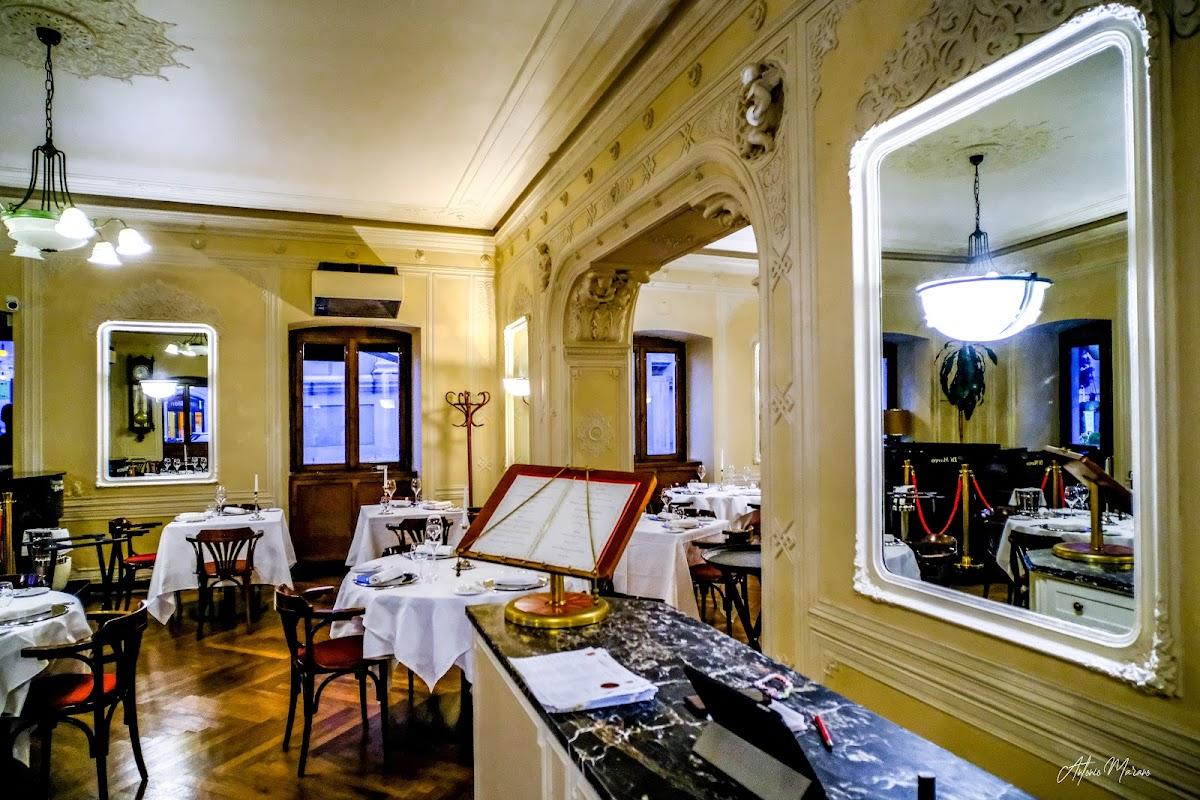
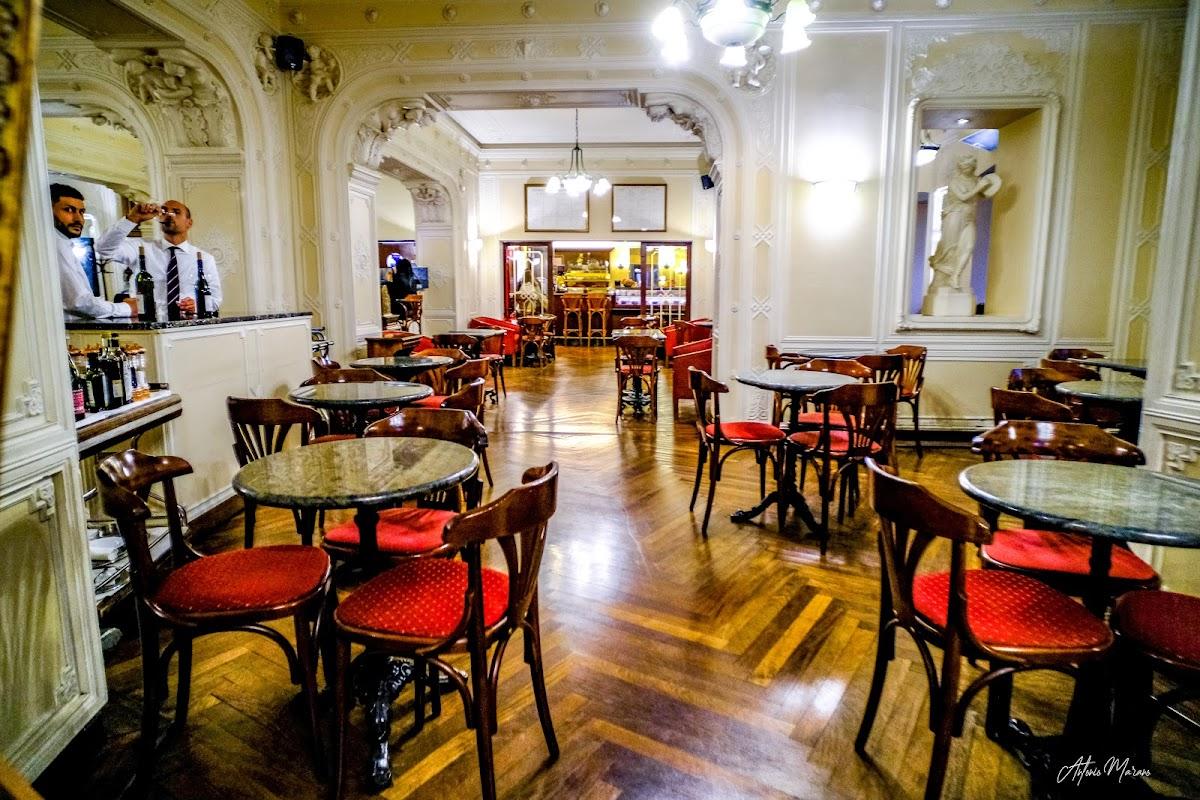
Caffè Tommaseo
#5 of 719 cafes in Trieste, Italy
Piazza Nicolò Tommaseo, 4, Trieste, Friuli-Venezia Giulia, Italy
Closed until 9AM
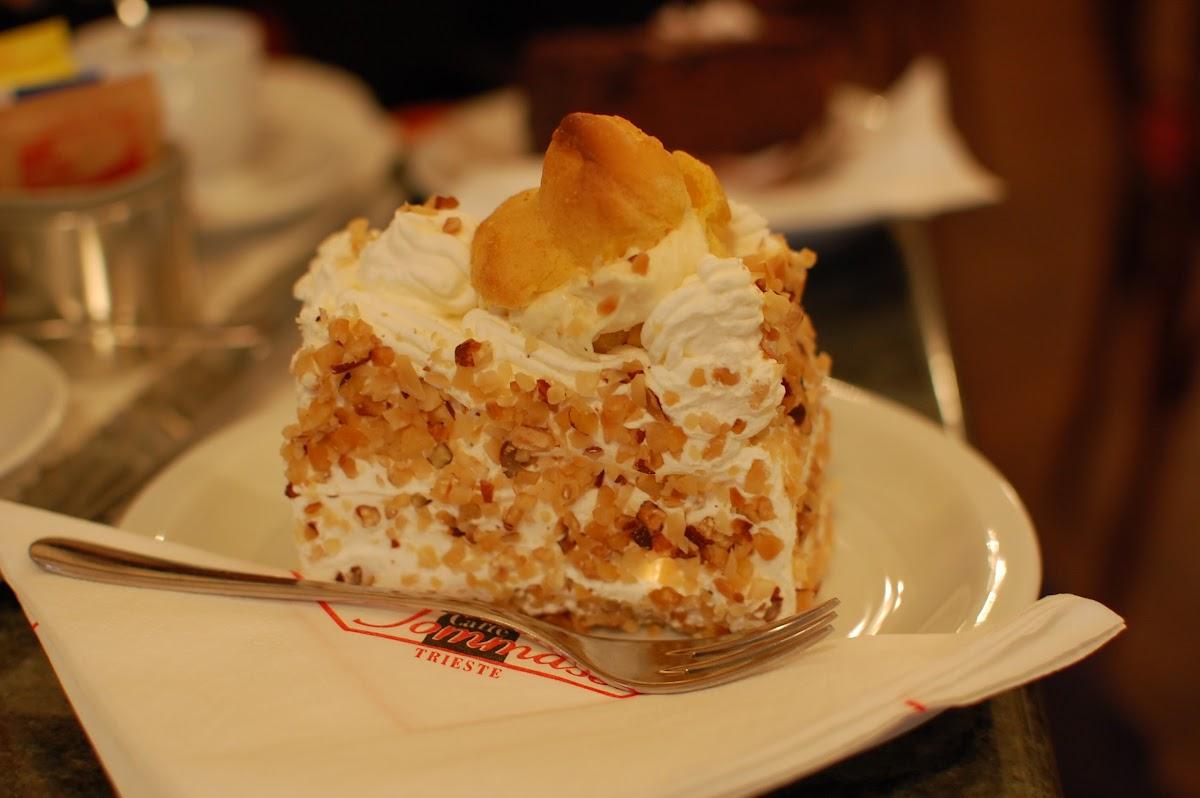
Finish with a farewell dinner at Antico Ristorante Tommaseo, Piazza Nicolò Tommaseo 4, where the mirrored rooms look out towards the sea. Trieste’s oldest café dates from the early nineteenth century: its first owner, the Paduan Tommaso Marcato, ordered the mirrors from Belgium and is credited with bringing ice cream to the city. Originally named after Marcato, it was later renamed in honour of the Dalmatian writer and patriot Niccolò Tommaseo. Italo Svevo wrote at its tables, and Claudio Magris worked here on his celebrated book Danube.
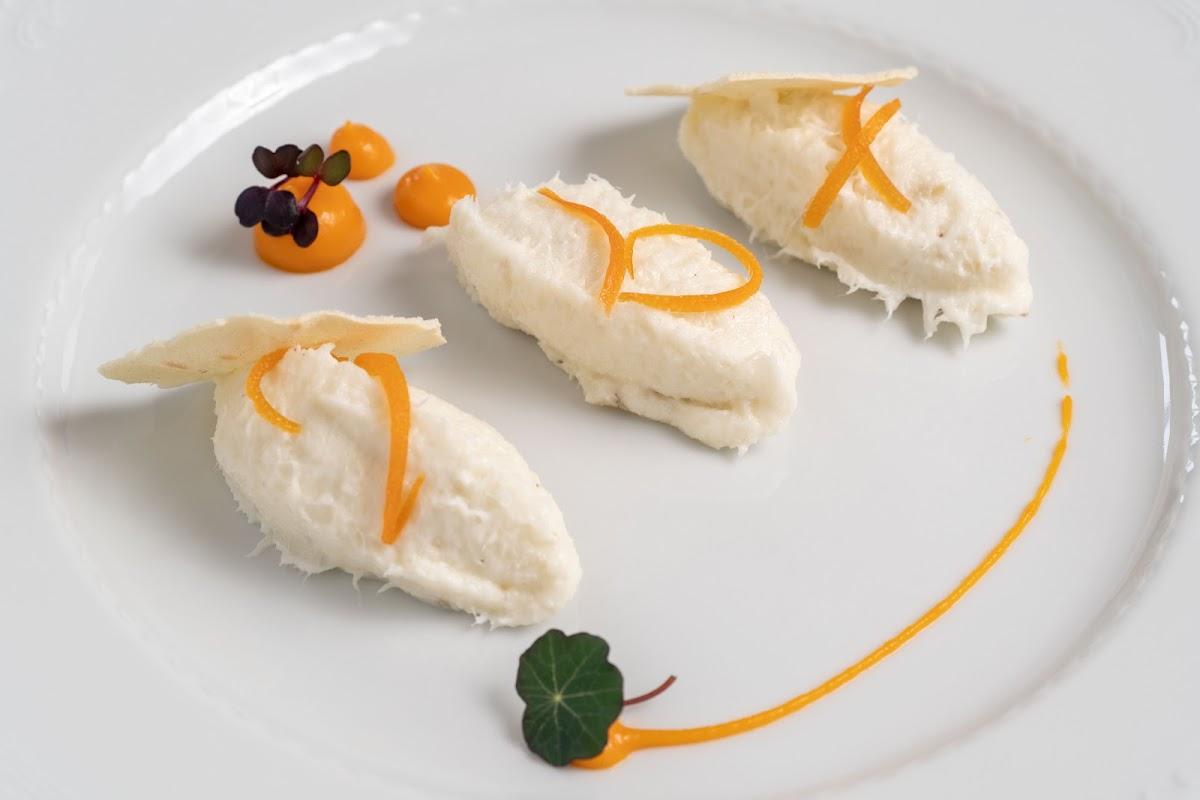
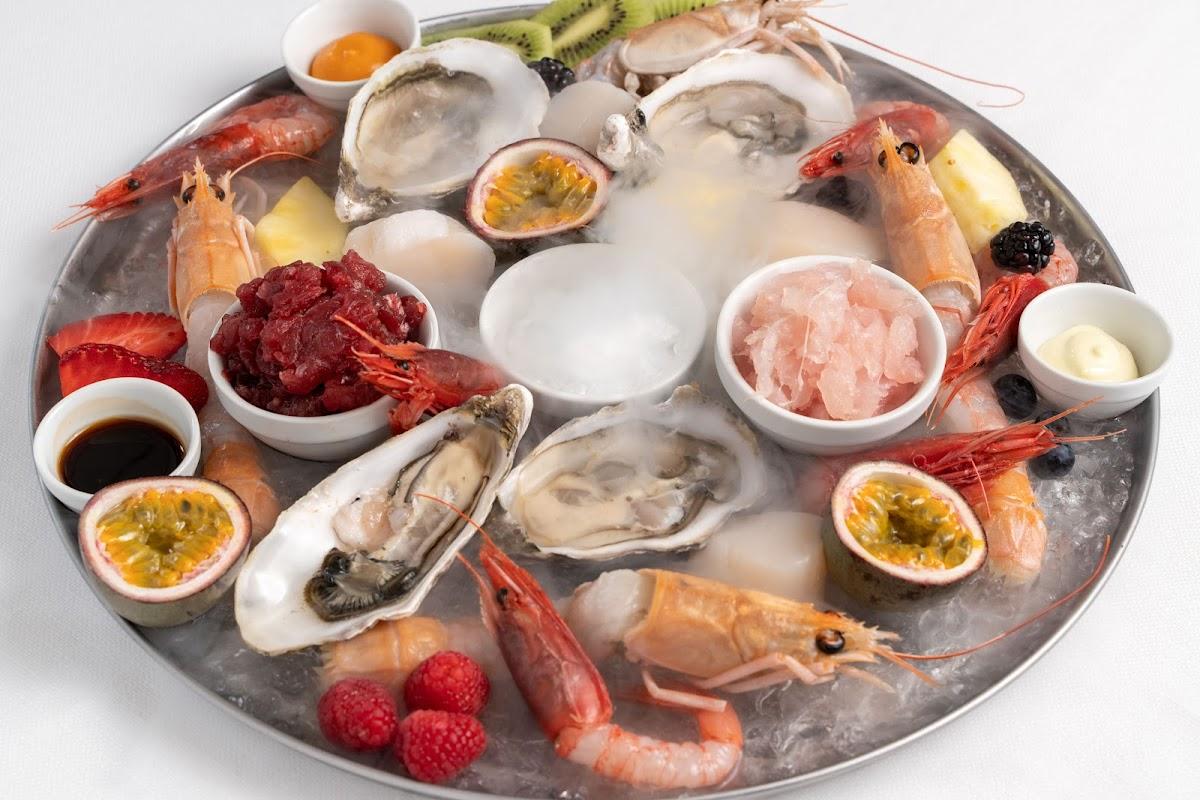
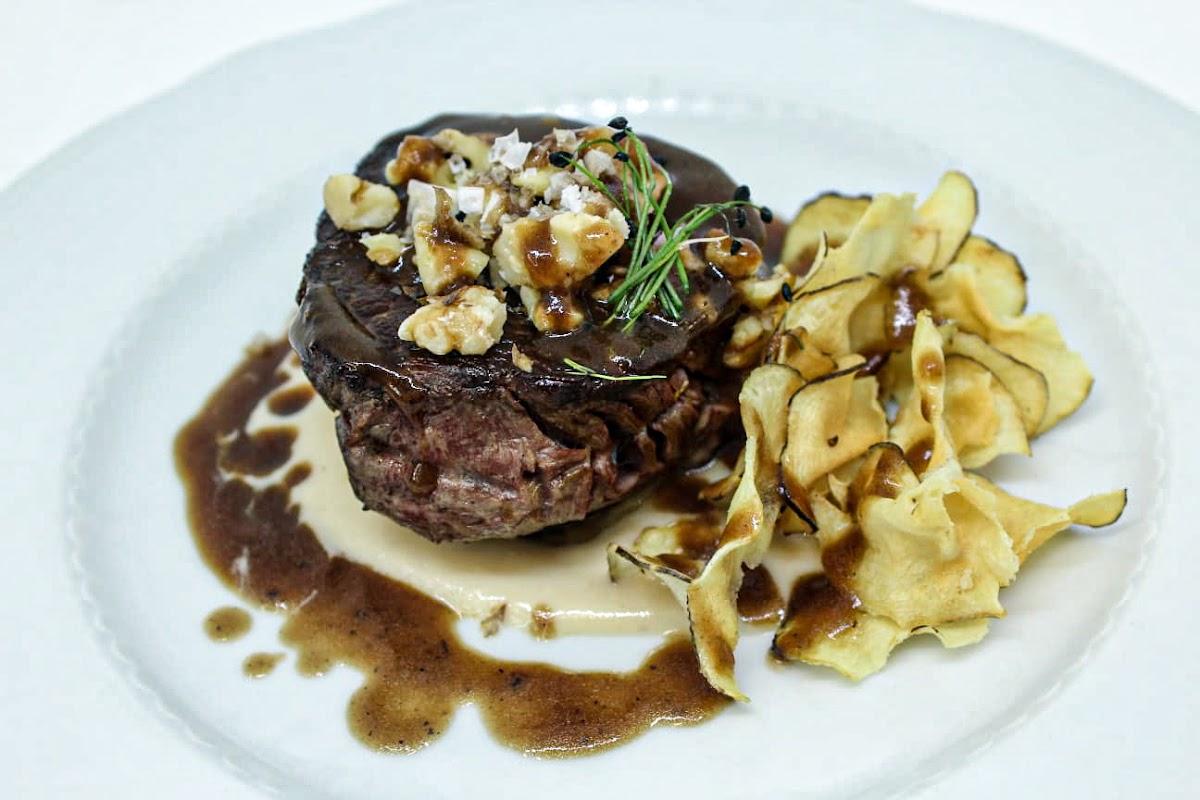
The kitchen focuses mainly on seafood with a Triestine accent: spider crab, scallops, and the day’s catch appear alongside homemade pasta. The menu is seasonal, and tasting menus can be paired with wines from the list. Book ahead for Sunday evening.
Trieste at your own pace
A weekend in Trieste works best with a little breathing room. Two days give you time to explore its history and coastal surroundings while enjoying the small pleasures of a city break: choosing a pastry, browsing a bookshop, or staying at the table for another coffee. You’ll leave with a feel for the city’s everyday life as well as its best-known sights.
Add your comment
Do you want to be the first to learn about new guides and recipes?
Subscribe to our newsletter




You may be interested in



1 comment
I once visited Trieste and the morning by the sea felt bright, with the big square, old buildings, and people sipping coffee like the day would last forever. I did not like the crowds in some spots and the steep hills that tired me, so next time I would go slower, rest at a cafe, and keep meals light by the water.