
50
Published
This Nantes guide is built for how you actually travel: walkable routes, market-to-mouth eating, and easy wins from breakfast to last call. The city blends river calm with Atlantic snap, so you’ll graze on buckwheat crêpes, salt-bright shellfish, butter-heavy pastries, and crisp coastal whites without chasing hype. We’ll steer you by neighborhood — where to linger, where to snack, where to catch golden-hour views — and flag simple choices that don’t require a reservation or a spreadsheet. Pack comfy shoes and an appetite. The plan is loose on purpose: follow the scent of grilled buckwheat, the clink of glasses, the line at a market stall. That’s where Nantes tastes best.
1. Machines de l’Île (Grand Éléphant)
 Source: https://www.instagram.com/lesmachinesntes/
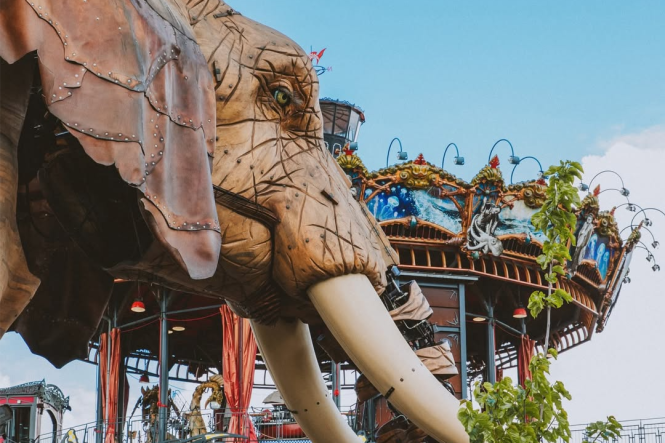
Machines de l’Île turns a former shipyard into a living workshop, and the Grand Éléphant is its slow-moving emissary. It’s not a statue you glance at and forget; it’s a machine you feel approaching, with joints breathing, a trunk that surprises the crowd, and decks you can ride like a wandering balcony over the river. Tourists come for that rare mix: large-scale art you can board, engineering you can read with your eyes, and the simple joy of being part of a street-level spectacle instead of watching one from behind a barrier. The workshops add another hook — windows into how these creatures are drawn, built, and tested. You leave with photos, sure, but also with a sense of how ideas turn into wood, metal, and motion.
The island used to launch ships; now it launches daydreams. This place keeps the city’s making-things DNA alive, in public, without hiding the tools or the people who use them. Families return as kids grow tall enough to ride, schools treat it like a field lab, and the elephant’s amble marks time through the year — rain jackets in winter, sunhats in July. It’s both landmark and neighbor: a regular presence on the quay that gives the riverfront a rhythm and reminds everyone that industry can evolve into culture without losing its hands-on grit. That’s why it sticks. Not because it’s big, but because it works — on you, on the city, and on the imagination.
Maison Arlot Cheng


Maison Arlot Cheng
#30 of 1062 cafes in Nantes, France
36 Rue La Noue Bras de Fer, Nantes, Pays de la Loire, France
Closed until 8AM

Quiche
It's an open pie with a base of shortcake (often, but not always) and fillings from eggs, cream and cheese. Depending on the desire, the fillings can vary from light vegetables, fruit, fish or a mixture of greens to hearty meat or mushrooms.
People love this place because it feels personal and carefully made. Bread is slow-fermented, pastries are precise, and the menu changes with the seasons. Regulars treat it like a ritual stop for breakfast or a late lunch, and travelers like that it is close to the river and the Machines site.
Why it’s worth coming: you get craft without fuss. The bread has real flavor, the pastries are light and crisp, and there are thoughtful drinks like kefir, kombucha, specialty coffee, natural wines, and Japanese teas. It’s an easy, high-quality meal in a calm space.
Taste walnut and adzuki bean tart, wheel-shaped Paris-Brest, sourdough-raised chocolate panettone (seasonal), gâteau nantais (tender and juicy cake), all made with care.
What they have besides desserts: country loaves and heritage-grain breads, sandwiches on fresh sourdough, quiche and bright seasonal salads, Saturday brunch and a short weekday lunch menu, coffee, teas, house fermented foods, and a small natural-wine list.
How busy it gets: steady flow from morning to mid-afternoon. Lunchtime and Saturdays are the peak. Seating is limited, so many people take their food to go.
2. Château des Ducs de Bretagne
 Source: https://www.instagram.com/chateaunantes
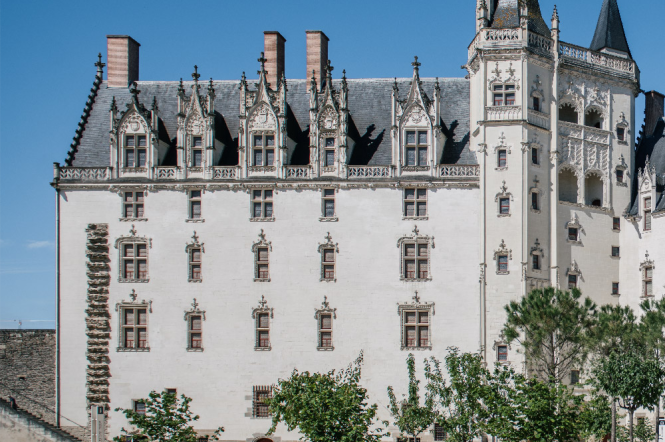
Château des Ducs de Bretagne sits in the center of Nantes: a fortress outside, a refined residence inside. Pale stone walls and slate roofs frame a quiet courtyard, and a moat with grassy banks softens the edge of the old town. The ramparts are free to walk and give broad views — medieval lanes on one side, the river and former shipyards on the other.
Inside, the city history museum moves from shipbuilding to biscuits and butter, from trade and its human cost to wartime damage and the recent creative revival. It works on a rainy day and rewards a slow wander on a clear afternoon.
Look for the contrast between thick defensive towers and light galleries and staircases, watch the moat after rain for mirror-like reflections, and time a lap of the walls for sunset over Bouffay. Temporary exhibitions often fill the vaulted rooms and change the mood from season to season.
Visitors like that architecture, views, and a clear story of Nantes come in one compact loop. Locals treat it like a civic living room, meeting in the courtyard, strolling the walls, and enjoying the evening lighting without leaving the city center.
Courtyard and ramparts are free, the museum requires a ticket, and stairs plus cobbles mean decent shoes help. A simple café sits in the courtyard, and the crêperies and glasses of Muscadet in Bouffay are only a few minutes away.
Finish with a slow lap around the moat lawns, then drift into the old streets for something warm and buttery.
Le Lieu Unique Restaurant


Le Lieu Unique Restaurant
#265 of 1835 restaurants in Nantes, France
4 Rue de la Biscuiterie, Nantes, Pays de la Loire, France
Closed until 12PM
Locals treat Le Lieu Unique like a Swiss-army hangout. It’s where you drift after an exhibition, meet a friend before a show, park the kids with a hot chocolate, or end up at midnight when other kitchens have gone dark. The room still carries the old biscuit factory bones — tall windows, concrete, a bit of theatre from the arts centre next door — and it opens straight onto the canal, so on bright days you slide outside without thinking about it.
No one goes claiming it’s the best food in France; people go there because it’s reliable and easy to enjoy. The menu is straightforward: simple plates done cleanly, a decent steak-frites, a salad that’s actually fresh, something warm and comforting when the weather turns. Coffee is good enough to open a laptop in the afternoon, and the bar wakes up when the events calendar does: DJ sets, readings, small concerts spilling into a late drink without a change of address. Staff are used to mixed groups — toddlers, grandparents, students, people with tote bags full of books from the shop — so the place flexes without fuss.
It’s also practical. From the château, you just cross the canal; from the station it’s a short walk. When friends visit, we bring them here because they get a slice of Nantes in one stop: the factory history, the contemporary arts vibe, and a meal that doesn’t require strategy. If you want quiet, come early or mid-afternoon. If you want energy, come when the lights dim and the programme upstairs kicks in. Either way, it’s less a “restaurant attached to a museum” and more a living room the city happens to share.
3. Passage Pommeraye
 By Velvet - Own work, Public Domain on Wikipedia
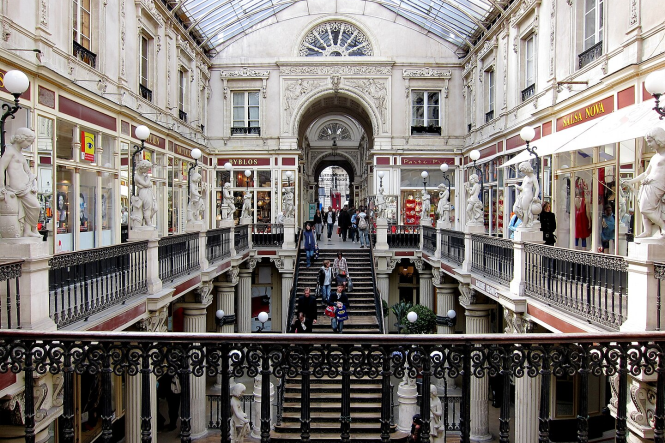
People treat Passage Pommeraye like a shortcut that forgot to be ordinary. It climbs the hill between two streets in three levels of light, stone, and iron, so you feel the slope in your legs and the city in your lungs. The glass roof throws a soft daylight that makes even a weekday bag of bread feel fancy.
On a wet Nantes afternoon, you duck in, and the rain turns into a quiet drumbeat on the canopy while the tiled floor shines. On Saturday, the staircase becomes a small theatre: kids dragging parents upward, a busker testing the echo, couples aiming for that photo halfway up. The statues and railings aren’t fenced off behind plaques; they’re part of your route. You can buy a book, a scarf, a chocolate, then lean on the balustrade and watch the whole place breathe.
It makes time feel layered instead of distant. You see your reflection next to nineteenth-century details and this morning’s shop window, and it all fits. That’s the charm: you pass through on your way somewhere else and still end up lingering on the stairs, a local doing what everyone does here — looking up.
La Cigale


La Cigale
#64 of 1062 cafes in Nantes, France
4 Pl. Graslin, Nantes, Pays de la Loire, France
Closed until 7:30AM
La Cigale is the city’s showpiece brasserie on Place Graslin. You walk into a burst of Art Nouveau — tiles, mirrors, painted panels — and the room does the rest. It’s busy without being frantic, the kind of place where a coffee looks intentional and a seafood platter lands like a small celebration.
The cooking is straight to the point. Oysters and shellfish from the coast. Steak-frites done properly. Classic salads, omelettes, leeks in vinaigrette. Desserts are a trap you should fall into: crisp millefeuille, glossy baba, seasonal tarts. Come in the morning for a quiet table and a paper; come after the theatre for something sweet under the lights; come at lunch for the full brasserie rhythm.
You don’t need an occasion — La Cigale supplies one. Book for peak dinner hours if you want certainty, slip in earlier or mid-afternoon if you prefer to drift. Take a banquette to talk, or a mirror-side table to watch the room perform. Either way, you leave a little taller.
4. Musée d’arts de Nantes
 Source: https://www.instagram.com/museedartsdenantes/
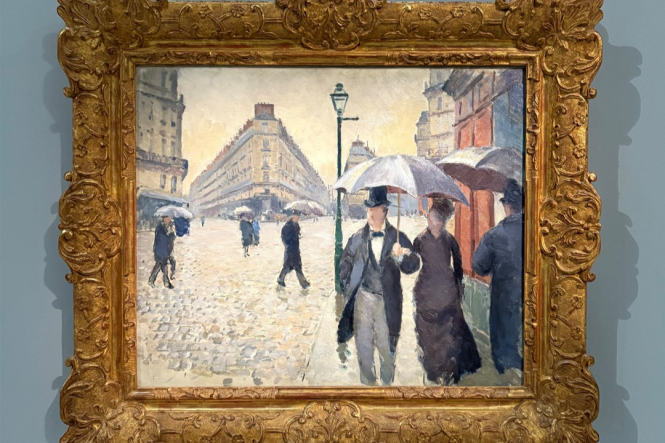
Musée d’arts de Nantes is where the city shows its quiet confidence. The main building is a classical palace of pale stone, but it opens into a contemporary glass cube and a repurposed chapel, so you move from gilded staircases to clean light in a few steps. The collection runs wide without feeling exhausting — medieval panels, luminous portraits, bold modern work, large pieces that breathe in tall rooms, small pictures that reward a close look. It’s the kind of museum you can see in one unhurried afternoon and still want to return to for a single room you didn’t have time to linger in.
Visitors like it because the scale feels human and the hang makes sense. You’re not marching through a syllabus; you’re drifting through conversations between centuries. The architecture helps: skylights soften the galleries, floors creak just enough to remind you it’s a lived-in place, and the chapel hosts installations that shift the atmosphere entirely. On a rainy day you can let the weather drum on the glass while you stand with a painting; on a bright day the stone and glass act like a cool lung in the middle of town.
People drop in on a lunch break to see a single temporary show, bring kids for a first museum wander that won’t overwhelm, or meet in the courtyard café when the sun appears. It’s part of the weekly circuit — market, river, museum — because it respects your time and repays attention. The draw isn’t a single trophy piece; it’s the way the place teaches you to look, then hands you the city outside with sharper eyes.
Le Café du Musée


Le Café du Musée
#47 of 1062 cafes in Nantes, France
10 bis Rue Georges Clemenceau, Nantes, Pays de la Loire, France
Closed until tomorrow
Le Café du Musée is the relaxed heart of the Musée d’arts de Nantes — a glassy, light-filled room where you can land between galleries for a proper plate, a quick coffee, or a late-Thursday unwind. It isn’t an afterthought kiosk: the kitchen is overseen by Michelin-starred chef Éric Guérin, so the cooking reads like a friendly bistro — seasonal, made in-house, and easy to use whether you’re solo with a book or corralling a small crew.
Service runs all afternoon, with on-the-go snacks before and after lunch, a real brunch on Sundays with two seatings, and an after-work slot on Thursdays that folds naturally into the adjoining bar vibe. It’s the kind of museum café where you can actually linger — browse the little swap-library, play a game with the kids, then go back for dessert.
On the plate, expect bistro comfort with local nods: a short, seasonal lunch menu; sweet and savory “sur le pouce” options in the afternoon; and classics like a café gourmand or a slice of gâteau nantais if you want something regional with your espresso. There’s a kids’ menu when you need the easy win.
5. Mémorial de l’Abolition de l’Esclavage
 By Jean-Marc Ayrault - Flickr: DSC_7162, CC BY 2.0 on Wikipedia
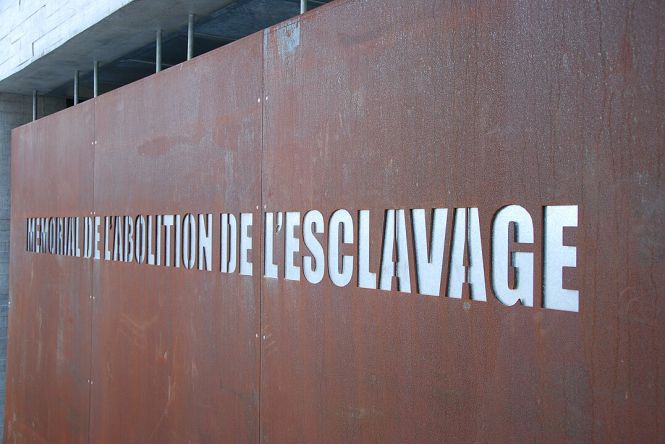
Mémorial de l’Abolition de l’Esclavage runs along the Loire like a quiet reminder of what this river once carried. You move from the open quay, where glass plaques name ships and ports connected to the trade, down a ramp into a long, low passage at water level. The city noise fades, the ceiling presses closer, and the river’s light flickers through slats above your head. Quotes from the abolition movements line the walls. It isn’t theatrical; it’s steady and insistent, asking you to look and not look away.
Visitors come because it gives the city’s beauty and bustle a necessary counterweight. Nantes doesn’t dodge its history here. The memorial explains, without euphemism, how wealth and streets and families were tied to human trafficking across the Atlantic. Standing inside, with the river inches away, you feel the geography of that history rather than just reading a plaque on a square.
School groups pass through in the morning. Joggers slow down. People meet on the benches above and then walk the length in silence. It’s used, not fenced off, which matters; remembrance is folded into daily life instead of staged once a year.
There’s no ticket barrier. You can enter at any time and follow the line of the river, taking as long as you need. Go early or at dusk for softer light and fewer people. Pair it with the history galleries at the château if you want more context, then return to the river and let the memorial’s calm do its work.
Le 1


Le 1
#425 of 1835 restaurants in Nantes, France
1 Rue Olympe de Gouges, Nantes, Pays de la Loire, France
Closed until 9AM

Fish
Fish is a very popular dish in many parts of the world, known for its unique nutritional qualities. Fish can be cooked many ways like baked, sautéed, broiled, grilled, steamed, poached, or fried.
Le 1 sits riverside on Île de Nantes, a sleek, contemporary room facing the Loire with a broad terrace for golden-hour meals. It’s steps from the Palais de Justice and an easy walk from the riverfront sights, so you can slide from a stroll to a sit-down plate without crossing half the city.
The kitchen’s brief is modern French done cleanly: house-made dishes built from fresh products, a short seasonal menu, and a format that works whether you want a proper three-course meal or just a few plates with a drink. The menu is conceived by Jean-Yves Guého and executed by chef Matteo Valle and team, which shows in the balance between comfort and a bit of flair — think Loire fish, smart vegetables, and bistro classics tightened up.
Part of the appeal is practicality. Le 1 takes reservations and operates seven days a week for lunch and dinner, so it’s a dependable choice after the memorial, the château, or the Machines. If you’re chasing sunset, ask for the terrace; if you’re meeting friends, the bar area can start as apéro and drift into dinner.
6. Marché de Talensac

Scallops
Scallops are often referred to as gourmet seafood. While having very tender meat, they are considered to be rather sweet in taste. Scallops can be eaten raw or cooked.
 Source: https://www.instagram.com/marchedetalensac/
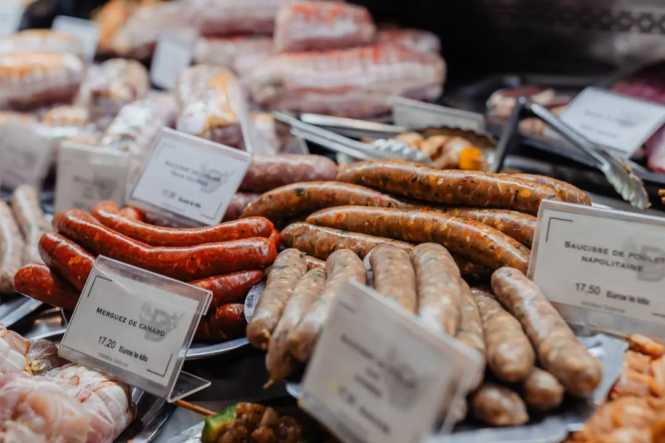
Marché de Talensac is Nantes’ everyday feast. It’s the city’s main covered market, a bright hall where fishmongers call the morning, greengrocers stack pyramids of produce, and bakers slide still-warm loaves across the counter. You don’t come here to tick off a sight; you come to be part of the city’s morning rhythm — coffee in one hand, a paper bag of something flaky in the other.
Start with a slow lap. The outside stands lean farmer-first — strawberries in spring, tomatoes that smell like plants in late summer, mushrooms when the air turns cold. Inside, the fish section is the pride of the place: oysters by the half-dozen opened on the spot, scallops in season, gleaming line-caught fish from the coast. There’s cheese that speaks Loire and Atlantic both, from tangy goat rounds to Curé Nantais, plus salted butter that makes anything taste more like itself. Charcuterie, rillettes, rotisserie chickens, jars of pickles, and a slice of gâteau nantais can turn into a picnic faster than you planned. Ask for a knife and a wedge of lemon at the oyster counter; they’ll know what you’re up to, and someone will almost certainly mention Muscadet.
Practical rhythm matters more than exact hours: go in the morning, earlier for space to browse, later for a bit of theater when the counters are busy. Bring a tote, some small change, and a plan to eat at least one thing standing up. When you’re done, carry your spoils a few minutes to a square or the river and let the market keep echoing while you eat.
7. Trentemoult (via Navibus)
 Jibi44 is assumed to be the author (based on the copyright holder information), CC BY-SA 3.0 on Wikipedia
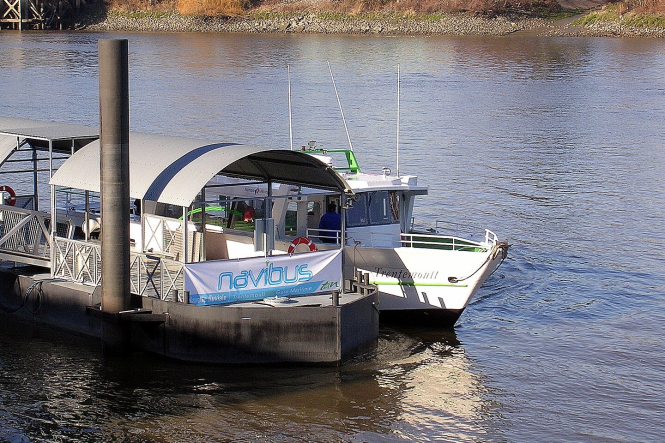
Hop the Navibus from Gare Maritime. Five breezy minutes later, Trentemoult slides into view: a pocket village splashed in tomato reds, pistachio greens, and blues that look mixed in a jam jar. Lanes are narrow, a little crooked, and close enough to catch the smell of rosemary from tiny gardens. Cats run the place. Laundry lines cross overhead like bunting.
Do it slowly. Drift to the quay, check the tide, read the old signs on facades. Grab a coffee or a small plate by the water and watch the skyline sit across the river like a postcard someone forgot to mail. Late afternoon is the sweet spot — warm light on plaster, a mild breeze off the Loire, gulls heckling the shallows.
You get color, calm, and a sense that time is elastic, then you’re back on the ferry before you’ve had a chance to miss the tram. Bring good shoes for cobbles and a light layer for the ride; the return is just as easy as the hop over.
Restaurant La Civelle


Restaurant La Civelle
#1 of 120 restaurants in Rezé, France
21 Quai Marcel Boissard, Rezé, Pays de la Loire, France
Closed until 9:30AM

Profiteroles
A pastry in a ball shape with a choux dough which is usually sweet, but also has a sour variant. The sweet dessert is made with whipped, pastry cream, ice cream and may be topped with a decoration of chocolate sauce, caramel or powdered sugar.
La Civelle is the go-to restaurant on the river in Trentemoult, just across from central Nantes. It sits by the quay with big windows and a terrace, so you get water views with your meal. The vibe is easy and welcoming — good for couples, families, or a group after a ferry ride.
The menu leans local and comforting. Expect Loire fish and plenty of seafood — pike-perch with beurre blanc is a classic — alongside brasserie mains like steak with sauce and house terrines. Desserts are simple crowd-pleasers: profiteroles, a praline “Paris-Nantes” style pastry, or a poached pear with warm chocolate.
It’s practical, too. Open seven days for lunch and dinner, with a long Sunday lunch. It handles larger tables, is family-friendly, and the terrace is accessible. For sunset or a warm evening, book a table facing the river; otherwise you can usually slip in after a stroll through the village.
P.S.
Nantes is a city you learn by walking and tasting. The river ties the neighborhoods together: markets at Talensac in the morning, the quay by the Machines in the afternoon, a ferry hop to Trentemoult when you need a slower hour. Between a rampart stroll at the château, a pause in the Passage Pommeraye, the quiet weight of the slavery memorial, and a clear-headed hour at the art museum, you get a full measure of place — history, craft, and present tense.
Eating is part of the route, not a separate plan. Galettes and oysters when the tide suggests it, beurre blanc with Loire fish, country bread that travels well, Muscadet that makes salt taste brighter, and a slice of gâteau nantais slipped into a pocket for later. Everything sits close enough that you can move by foot and by appetite.
Add your comment
Do you want to be the first to learn about new guides and recipes?
Subscribe to our newsletter
Great food and best restaurants in Nantes
See all


Tasty dishes and restaurant features in Nantes


You may be interested in





1 comment
This Nantes guide reads like a breezy river-side stroll, and I’m already craving those buckwheat crêpes and salt-bright shellfish. My question about the food: among Maison Arlot Cheng’s treats—walnut and adzuki tart, the wheel-shaped Paris-Brest, or the seasonal sourdough chocolate panettone—which bite best captures Nantes’ flavor?